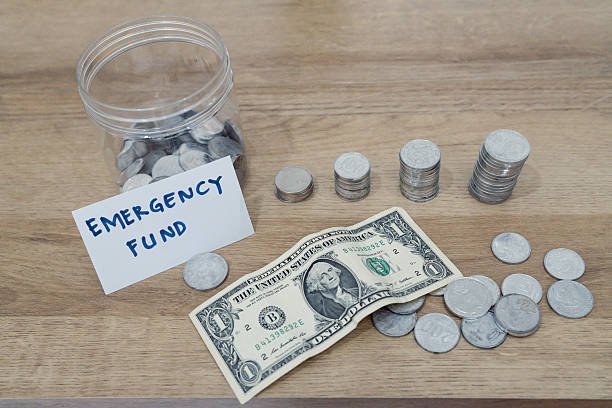
Any medical expense, car repair, job loss, emergency fund home repair, or other expense can throw a curveball into your budget. Having a financial cushion gives you the flexibility needed to manage your finances during such times, rather than using excessive credit and loans.
It doesn’t take a huge salary to save enough money to have an emergency fund. Most importantly, begin with a savings rate that’s achievable and then slowly ramp it up over time.
Recognize the importance of an Emergency Fund.
Emergency funds are funds that are saved for unexpected and necessary expenses. It is not to be used for shopping, holidays, entertainment or planned purchases.
Emergency savings can help minimize financial stress since there is some money available if you experience an unforeseen circumstance. It can also ensure that a short-term financial issue doesn’t turn into a long-term debt.
Choose a realistic goal for your savings.
First, select a target that’s within your financial means. If you don’t have any savings, the first objective may be to create a small emergency fund.
Once you’ve achieved your first goal, slowly reduce your debt to save up enough money to cover a few months of living expenses. The correct amount of this will vary from person to person depending on income, family expenses, stability of employment and obligations to others.
Figure out your Basic Costs.
Estimate the amount you might require in the future by estimating your need for monthly expenses. These can range from basic housing, food and utilities, transportation and insurance, and minimum debt payments, to basic medical care.
When figuring the amount you need for your emergency fund, don’t add in frivolous spending. The aim of the fund is to provide financial support for immediate needs in a crisis.
Feed in small amounts.
It’s not necessary to wait until you have enough money to save up a large sum. It’s never too early to start saving a little each month!
For instance, you could save a specific sum of money weekly or monthly. A small donation from anyone can add up over time to provide a valuable financial cushion.
Automate Your Savings
The simplest method to growing an emergency fund is to automate your savings. Set aside a predetermined amount in a savings account following the payment of income.
Automatic transfers make it easier to resist the impulse to spend the funds. Consider saving as a bill and pay it as you would a bill.
Separate Emergency Savings from other savings
You may want to have your emergency fund in a different account from your daily spending. This can help you keep track of the amount saved and help curb the urge to spend on things that are not essential.
When you need the money, select a safe and easily accessible account.
Reduce Unnecessary Expenses
Check your monthly expenses and see if there are any short- or long-term opportunities to cut back. Freebies, dining out often, shopping mishaps, and various services that you could do without can offer savings opportunities.
It’s not necessary to cut out all the fun expenses. Other minor cuts can help free up extra cash for an emergency fund.
Make the most of your extra income.
Unexpected cash is an excellent chance to build up your financial savings. You can contribute some or all of bonuses, gifts, refunds, freelance income or other extra income to your emergency fund.
It’s not a requirement to save all of those “extra” dollars. Any amount that is saved toward your emergency fund will help you get there faster.
Don’t use the Fund for non-emergencies.
The emergency fund is most effective when it’s for an actual financial crisis. When withdrawing cash, consider the necessity, surprise and urgency of the need.
If you dip into the fund for an emergency, put rebuilding the balance back at the top of your list of financial priorities.
Increase Your Fund Over Time
It’s important to note that your emergency-fund goal doesn’t need to stay exactly the same always. If your household income rises, or your household responsibilities or expenses rise, you might want to raise the amount of money you save.
Check on your emergency fund once or twice a year and update your emergency fund goal when your finances change.
Paying down debts while saving money
If you are in debt, you might need to make some compromises between an emergency fund and paying off your debt. It’s a great idea to have a little emergency reserve to avoid having to take out another loan due to an unexpected expense.
After the initial savings, you can choose to allocate enough funds to pay off high interest debt and still make additional savings contributions.
Final Thoughts
It takes time to build up an emergency fund. Set a realistic goal, save regularly, and set up automatic saving if you can, and don’t keep the money in your checking account.
It is not necessary to create a substantial fund right away. The most important thing is to build up the habit to save regularly and gradually build up a financial cushion. Any amount of money in an emergency fund is helpful when unexpected costs arise.
FAQs
What is the correct amount of money to store in an emergency fund?
One of the common long term objectives is to have a significant amount of savings for a few months of necessary living costs. If you are starting from scratch, though, it’s not a bad idea to begin with a smaller portion.
What is the best way to calculate the number of years of living expenses I need to have in savings?
Keep it somewhere safe and easily accessible, such as a suitable savings account. The funds should be on hand during an actual crisis.
What are some ways to save money to have an emergency fund if I’m on a low income?
Make some small consistent payments and trim away expenses if they are not needed. Saving, no matter how small, over a period of time can create a reserve of cash.
When must I use my emergency fund?
Use it for any emergency and/or unforeseen expenses you may need but cannot afford from your income (including the need for repairs, medical expenses, and a loss of income).